Solutions Built Around Your Machining Problem

Customers rarely search for “a grinder” alone—they need roundness, concentricity, roughness, and stable cycle time on real parts. Our pages are structured so both people and search engines can see how we address those outcomes.

By Process

From turning through grinding and process redesign—aligned to how your drawing is actually produced.
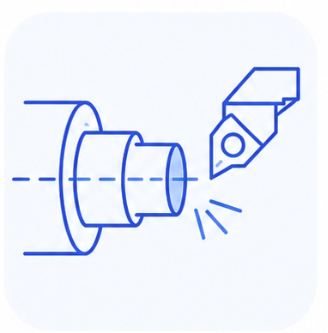
Hard turning, Insert, and CBN machining

Precision CNC Turning

  • Shafts, sleeves, rings, rollers—stable OD/ID relationships
  • Preparation for downstream grinding when finish turning is not enough
  • Machine + tooling direction from tolerance stack
Share a drawing
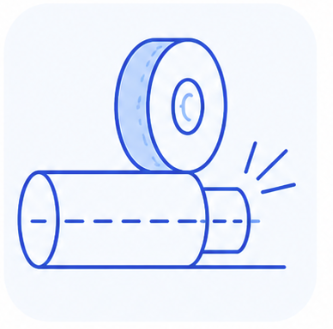
Cylindrical Grinding machine, Roundness, Runout, and Vibration control

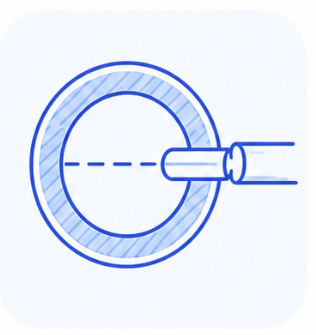
Cylindrical (OD) Grinding

  • Roundness, cylindricity, and bearing-journal class features
  • Process windows for burn, chatter, and taper control
  • Wheel, coolant, and machine recommendation as one package
Book a process review
Internal grinding wheel, Dressing disc, and Spindle precision

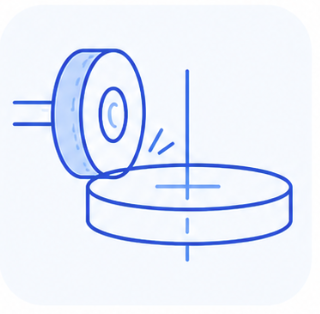
Internal Grinding

  • Bores, races, and sleeve IDs with tight IT grades
  • Concentricity relative to OD and face datums
  • Rigidity and workholding as part of the solution
Upload your drawing
End-Face Grinding, Roughness and Feed rate optimization

End-Face Grinding

  • Squareness and flatness on coupling faces and thrust surfaces
  • Reducing secondary bench work
  • Matching the right face-grinding approach to material and batch size
Discuss the application
Process Improvement, Burning prevention and Precision machining

Process Improvement for Difficult-to-Machine Parts

  • Thin-wall, interrupted cut, and critical mating surfaces
  • Sequence, datum strategy, and inspection alignment
  • Equipment upgrade path only when the process justifies it
Process diagnosis

By Challenge

These are the symptoms teams usually search for—mapped to how we work with you from drawing to stable production.

Poor roundness / cylindricity

Process, wheel, workholding, and machine stiffness reviewed together—not isolated “tweaks.”

Concentricity unstable

Datum flow from turning to grinding; OD/ID relationships and setup repeatability.

Surface roughness off target

Finish bands, dressing strategy, and coolant direction tied to measurable Ra/Rz goals.

Grinding burn / chatter / taper

Symptom-led troubleshooting with structured trials and documented parameters.

Cycle time too long

Stock allowance, passes, and wheel specification balanced against quality risk.

Tool life unstable

Where turning still matters: grades, geometry, and entry conditions aligned to material.

Existing machine cannot hold tolerance

Honest gap analysis: retrofit, replacement, or subcontract bridge—without overselling brand.

Start From the Part, Not the Catalog

Tolerance, material, batch, and inspection—then machine, process, training, and support.